FAQs
Do lawyers have ethical obligations when using AI?
Yes, and those obligations are the same ones that have always governed legal practice — they do not disappear because the tool is new. Attorneys using AI are bound by their state's Rules of Professional Conduct in full. The duties most directly implicated are competence under Rule 1.1, confidentiality under Rule 1.6, supervision under Rules 5.1 and 5.3, and communication under Rule 1.4. The ABA's Formal Opinion 512, issued in 2024, confirmed that attorneys must understand the benefits and risks of AI tools they use and remain personally responsible for all AI-assisted work product. No AI tool, however capable, transfers professional responsibility away from the attorney who uses it.
What is AI competence for lawyers?
What is the AI Ethics for Attorneys CLE course?
Speaking, CLE, and Working With Angeli Fitch
Which ABA rules apply to lawyers using AI?
AI Ethics for Attorneys is a California State Bar-approved continuing legal education course created and taught by Angeli Fitch. It addresses the professional responsibility obligations that apply when lawyers use AI tools in legal practice, including competence, confidentiality, supervision, and communication duties. The course covers specific AI tools attorneys are using, how to evaluate AI vendors against ethics obligations, how to build AI use policies for law firms, and how to stay current as AI regulation and bar guidance evolve. It is available for delivery to law firms, bar associations, legal departments, and professional organizations.
Angeli speaks on AI ethics and professional responsibility for lawyers, AI compliance frameworks for law firms, AI vendor vetting and governance, the regulatory landscape for AI in legal practice, AI agents and the future of legal work, practical AI tools for attorneys and their ethical implications, and building a culture of responsible AI adoption in legal organizations. Her approach is practical and plain-language — grounded in trial lawyer instincts and designed for audiences who need to understand what the rules actually require, not just that they exist.
The primary rules implicated by AI use in legal practice are Rule 1.1 (competence), Rule 1.2 (scope of representation), Rule 1.4 (communication), Rule 1.6 (confidentiality), Rule 1.15 (safekeeping property, relevant to trust accounting tools), Rule 3.3 (candor toward the tribunal), Rule 5.1 (responsibilities of partners and supervisory lawyers), Rule 5.3 (responsibilities regarding nonlawyer assistance), and Rule 7.1 (communications concerning a lawyer's services, relevant to AI-generated marketing). Most state bars have adopted versions of these rules and many have issued formal ethics opinions applying them specifically to AI use.
AI competence is the obligation under Rule 1.1 for attorneys to understand the AI tools they use well enough to deploy them responsibly on client matters. The ABA has interpreted the duty of competence to include understanding the benefits and risks of relevant technology, and AI is now relevant technology across virtually every area of legal practice. AI competence does not require attorneys to understand how large language models are engineered. It requires understanding what a given tool does well, where it fails, what happens to client data when it is used, and how to supervise its output before it reaches a client or a court.
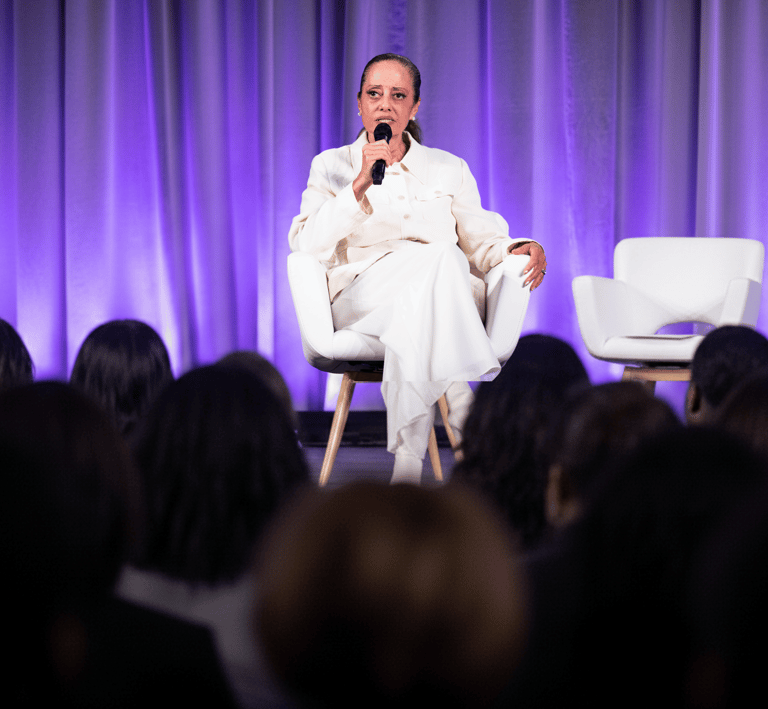
Angeli Fitch is a California-licensed attorney with more than 20 years of trial experience and a nationally recognized AI Compliance and Ethics Attorney. She is the creator and instructor of AI Ethics for Attorneys, a California State Bar-approved CLE course that addresses the intersection of artificial intelligence and professional responsibility for lawyers. She advises law firms, legal organizations, and bar associations on AI compliance, governance, and ethics, and is a sought-after speaker on AI and the law.
What is an AI agent, and why does it matter for lawyer ethics?
An AI agent is an AI system that takes autonomous actions — planning and executing a series of steps, making decisions along the way, and completing tasks with limited or no human review at each stage. Unlike a chatbot that responds to individual prompts, an agent can be given a goal and pursue it independently, using tools like web search, document access, email, and external APIs to accomplish the task. For lawyers, AI agents raise distinct ethical issues because consequential actions — sending communications, producing documents, making research decisions — may occur without attorney review at each step. The supervisory obligations under Rules 5.1 and 5.3 apply in full to AI agents doing legal work, and the standard is the same as supervising a nonlawyer performing the same tasks.
Can an AI agent violate attorney ethics rules?
An AI agent cannot violate ethics rules because it does not hold a law license. The attorney who deploys the agent can, and does, bear responsibility for what the agent does. If an AI agent sends a client communication without attorney review, the attorney is responsible for that communication under Rule 1.4. If an agent produces work product that contains errors the attorney did not catch because there was no review checkpoint, the attorney has a competence problem under Rule 1.1. If an agent accesses and transmits client information to external systems without adequate protections, the attorney has a confidentiality problem under Rule 1.6. The agent is the instrument. The attorney is accountable.
What supervision is required for AI agents doing legal work?
The supervision standard for AI agents is the same standard that applies to supervising nonlawyer staff doing legal work — which means the attorney must have sufficient oversight of what the agent is doing to catch errors before they become harm, must have established protocols for the agent's work that reflect competent legal practice, and must remain accountable for the agent's output. In practical terms, this means defining the scope of the agent's authority before deployment, building human review checkpoints into workflows for consequential and hard-to-reverse actions, maintaining audit logs of what the agent did on client matters, and training attorneys and staff to understand the difference between using AI and supervising AI.
Can an AI agent engage in the unauthorized practice of law?
The unauthorized practice of law analysis runs against the attorney deploying the agent, not the agent itself. If an AI agent produces legal advice, drafts legal documents, or makes legal judgments that reach clients without meaningful attorney review, the attorney responsible for that system has allowed unreviewed legal work to go to clients — which implicates both competence and, in some analytical frameworks, the unauthorized practice prohibitions that exist to protect clients from unqualified legal services. As of May 2026, no jurisdiction has definitively resolved this question in the context of AI agents specifically, but the direction of existing guidance is clear: meaningful attorney supervision of AI-generated legal work is required, not optional.
Get in Touch